pillar
AI Marketing Tools in 2026: The Honest Guide for Small Teams
Most 'best AI marketing tools' lists conflate categories that do completely different jobs. What's actually worth using in 2026, sorted by the job.
 By theo · · 14 min read ·
Updated

I’ve been using AI in marketing work for three years. The category went from “novel curiosity” to “table stakes for any half-serious marketing operation” in that time. What hasn’t kept pace: the listicles that claim to rank “the best AI marketing tools.” Most of them conflate completely different categories — writing tools, image generators, content optimizers, video avatars, transcription tools, schedulers — into one ranked list that helps no one make a real decision.
This pillar is organized differently. Tools by job-to-be-done. Honest opinions about which categories are still worth paying for and which have collapsed into “wrappers around the same underlying model.” If you’ve been confused by the AI tooling landscape — most people are — this is the framework I wish I’d had two years ago.
Quick verdict. For most marketers in 2026 (list prices, billed monthly): Claude ($20/mo) for long-form writing and reasoning. ChatGPT Plus ($20/mo) for multimodal work and code. Perplexity Pro ($20/mo) for research. Surfer or Frase ($49-59/mo) for content optimization. Midjourney ($10-60/mo) or Adobe Firefly for image generation. ElevenLabs ($6-99/mo) for voice. The “general AI marketing platform” category (Jasper, Copy.ai, Writesonic) is increasingly redundant — they’re GPT-4 wrappers selling prompt libraries. Skip them unless you have a non-technical team that genuinely benefits from the structured UX.
Reading this end-to-end takes about 12 minutes. If you only have 30 seconds, skip to the tools by job.
What changed in 2026 (and why most lists are out of date)
Three shifts in the past year matter for picking AI tools.
The general-purpose models got good enough that wrappers lost their edge. In 2023 Jasper and Copy.ai were genuinely useful because raw GPT-3.5 was hard to prompt well. In 2026 GPT-4 and Claude 3.5 are good enough that the prompt-library wrappers add less value. Most experienced marketers I work with have stopped using the wrappers and gone direct to Claude or ChatGPT.
Specialty tools are where the value lives now. ElevenLabs for voice. Synthesia for video. Surfer for content scoring. Perplexity for research. These tools do specific jobs better than the general-purpose models, and that’s where teams should invest.
Multimodal got real. Image generation, voice, video, transcription — all dramatically better than 18 months ago. The Adobe Firefly + Midjourney + ElevenLabs + Synthesia stack lets a small team produce content at a quality that used to require a creative agency.
The decision today isn’t “which AI marketing platform” — it’s “which tools cover which jobs in my actual workflow.”
Tools by job-to-be-done
Six jobs cover ~90% of marketing AI use cases:
| Job | Default tool | Cost |
|---|---|---|
| Long-form writing (blog, email, ad copy) | Claude | $20/mo |
| Multimodal work + code + plugin ecosystem | ChatGPT Plus | $20/mo |
| Research with citations | Perplexity Pro | $20/mo |
| Job | Default tool | |
| --- | --- | --- |
| Long-form writing (blog, email, ad copy) | Claude | $20/mo |
| Multimodal work + code + plugin ecosystem | ChatGPT Plus | $20/mo |
| Research with citations | Perplexity Pro | $20/mo |
| Content optimization for ranking | Surfer or Frase | $49-59/mo |
| Image generation | Midjourney or Adobe Firefly | $10-60/mo |
| Voiceover and audio | ElevenLabs | $6-99/mo |
| Video avatars | Synthesia | $29-89/mo |
| Image generation | Midjourney or Adobe Firefly | $10-60/mo |
| Voiceover and audio | ElevenLabs | $5-99/mo |
| Video avatars | Synthesia | $30-90/mo |
The base stack most marketers should run is Claude + ChatGPT Plus + Perplexity Pro = $60/month. Add Surfer or Frase if you’re publishing 4+ articles per month. Add Midjourney/ElevenLabs/Synthesia by job, not by tool category.
The seven decisions that determine your AI stack
Working through these in order will save you from buying tools you won’t use.
1. What’s the actual writing volume you’re producing?
Be honest. The right tools depend on this:
- 0-2 pieces per month (sporadic). Free tier of Claude.ai or ChatGPT is enough. Don’t pay yet.
- 3-8 pieces per month (regular). Claude Pro ($20/mo) or ChatGPT Plus ($20/mo). Pick one based on whether you do more writing (Claude) or more multimodal (ChatGPT).
- 8+ pieces per month (heavy). Claude Pro + ChatGPT Plus + Surfer or Frase. The combined $89-99/month (billed monthly) pays back in time saved.
- 20+ pieces per month (content team). Above stack + Claude Team or ChatGPT Business (formerly ChatGPT Team) for collaboration.
2. Are you writing in a consistent voice?
Single biggest factor in “Claude vs ChatGPT” — covered in our Claude vs ChatGPT comparison.
- Yes, voice consistency matters (brand, newsletter, founder writing). Claude. It holds tone across long sessions in a way ChatGPT doesn’t.
- No, just need decent copy that gets the job done. Either works.
- Multimodal work is more important than voice. ChatGPT, for the image/voice mode/plugin ecosystem.
3. Do you do research-heavy work?
If your role involves competitive analysis, market sizing, citation-grounded writing:
- Yes, frequently. Perplexity Pro is genuinely better than Google for research-style queries. The citation grounding alone justifies the $20/month.
- Occasionally. Free tier of Perplexity covers this.
- Never. Skip Perplexity, save the money.
4. Do you produce visual content (images, video)?
- Heavy visual content (DTC brand, designer, agency). Midjourney + Adobe Firefly + Photoshop’s Generative Fill. ~$60-100/month combined.
- Occasional images for blog / social. ChatGPT Plus’s DALL-E or Adobe Firefly free tier. $0-20/month.
- No visual content. Skip the image tools entirely.
- Video specifically. Synthesia for talking-head avatars; Pictory for B-roll-driven content; Descript for podcast-style editing.
5. Do you need audio (podcast, voiceover, narration)?
- Yes. ElevenLabs is meaningfully ahead of competitors on voice quality. $6-99/mo (billed monthly) depending on volume.
- Occasional voiceover. Free tier or one-off purchase.
- No. Skip.
6. Are you a content marketer specifically?
If “publish ranking content” is core to your job:
- Yes. Add Surfer (from $59/mo) or Frase (from $49/mo), both billed monthly, on top of Claude or ChatGPT. Detailed Surfer vs Frase comparison.
- No (general marketer with occasional content work). Claude or ChatGPT alone is enough.
7. Are you on a team or solo?
- Solo. Personal subscriptions. ~$60-200/month total.
- Small team (3-10). Team subscriptions on the writing tools (Claude Team, ChatGPT Business) for shared workspaces and admin controls. ~$300-600/month total.
- Larger team (10+). Enterprise considerations: SSO, data retention controls, compliance. ChatGPT Enterprise, Claude for Enterprise.
The tools by category, one paragraph each
General-purpose chat models
Claude ($20/mo Pro). Best for long-form writing, voice consistency, document analysis, ethical reasoning. Anthropic’s flagship. My default for marketing writing. Detailed comparison.
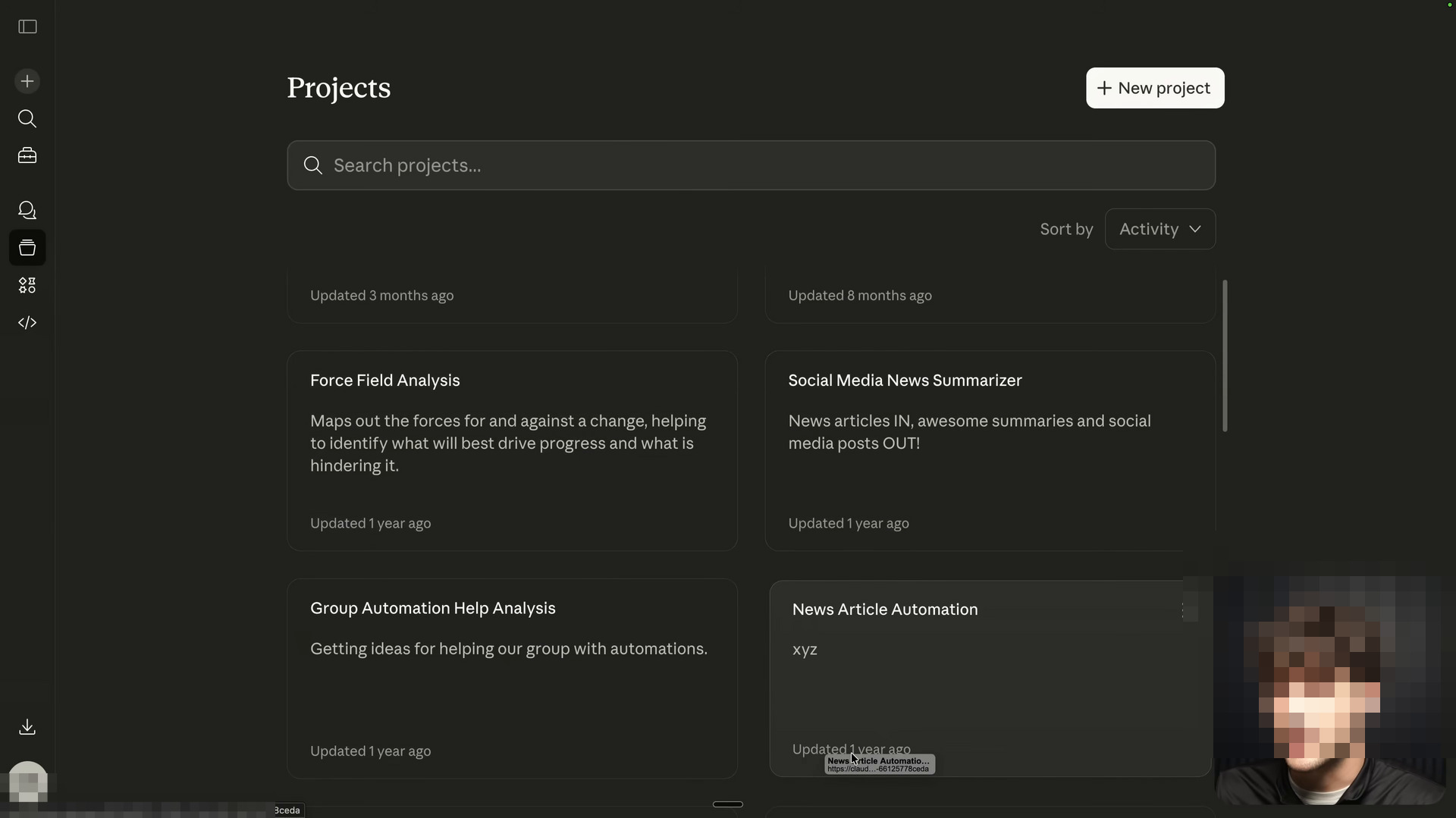
Claude Projects landing surface. Each card represents a long-running workspace with pinned instructions, retrievable knowledge files, and conversation history. This is the structural feature that makes Claude better than ChatGPT for brand-voice consistency on multi-day drafting work, because pinned context survives across sessions instead of having to be re-pasted into every chat.
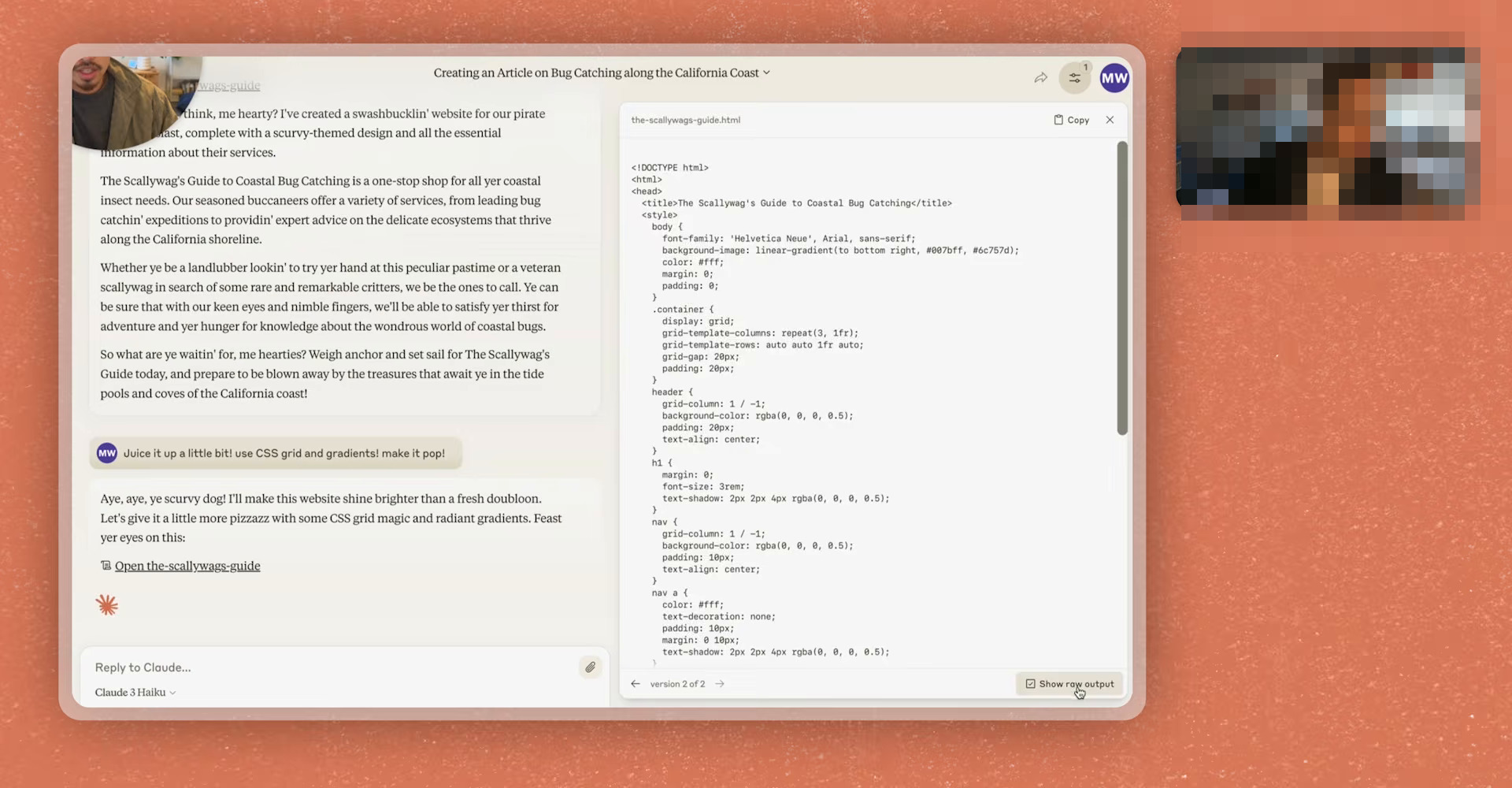
Claude Artifacts is the chat-plus-live-preview pattern that turns Claude into a working surface for code, HTML mockups, structured documents, and diagrams. The Artifact renders alongside the conversation rather than as inline code blocks, which makes iterative editing meaningfully faster. Useful for marketers building landing-page mockups, email templates, or interactive widgets without leaving the chat.
ChatGPT Plus ($20/mo). Best for multimodal work, plugins, code, broad ecosystem. OpenAI’s flagship. The right answer for general-purpose use that includes images and voice mode.
Perplexity Pro ($20/mo). Search-grounded answers with citations. Better than Google for research-style queries; doesn’t replace Google for navigational queries.
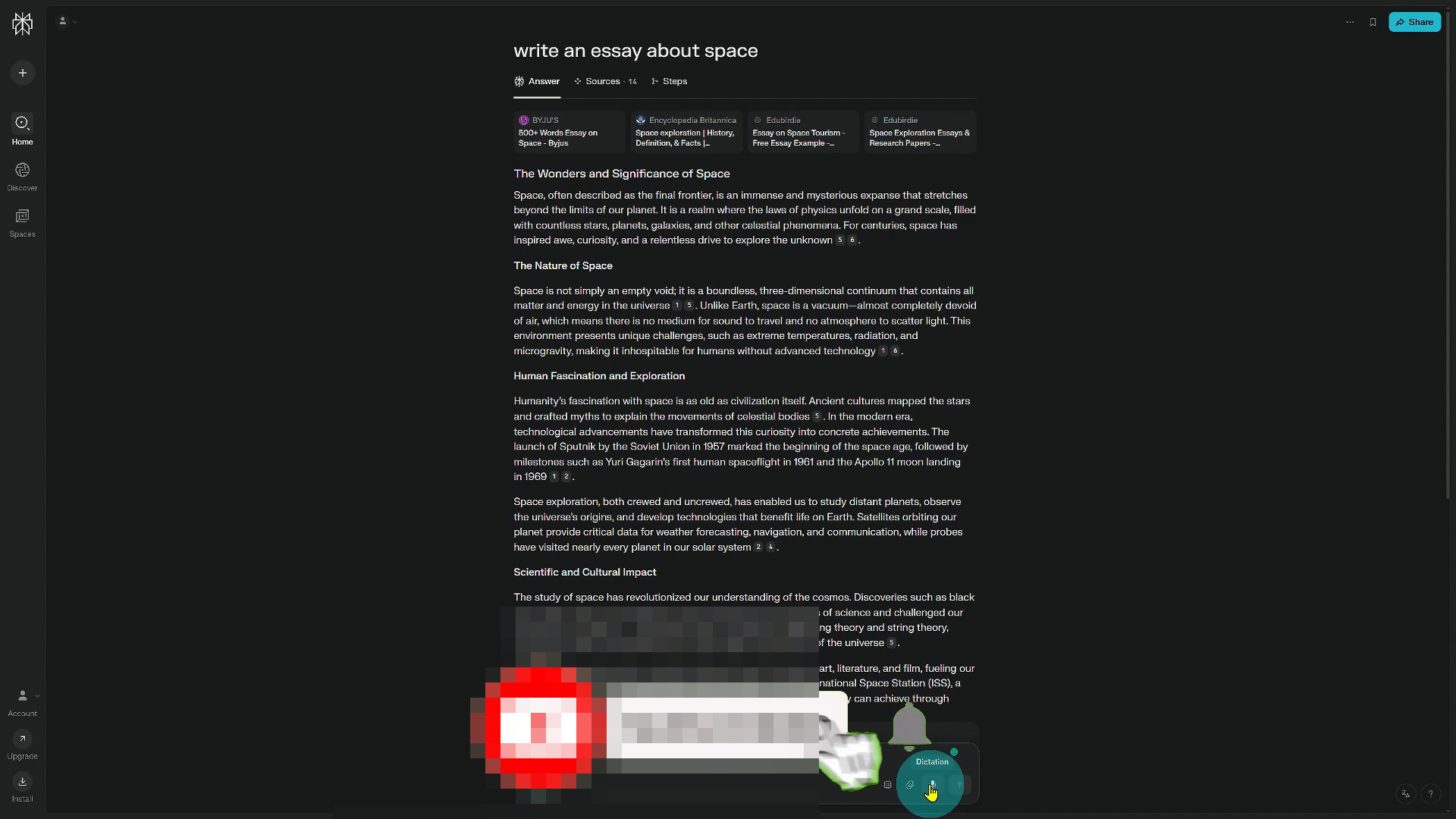
Perplexity’s research result surface. The synthesized answer in the center with inline citation numbers and the Sources panel on the right is the core differentiator versus generic chatbots. Every claim is cited inline; readers can verify or follow the citations to the source material. This makes Perplexity meaningfully better than Claude or ChatGPT for marketing research where you need to defend claims with primary sources.
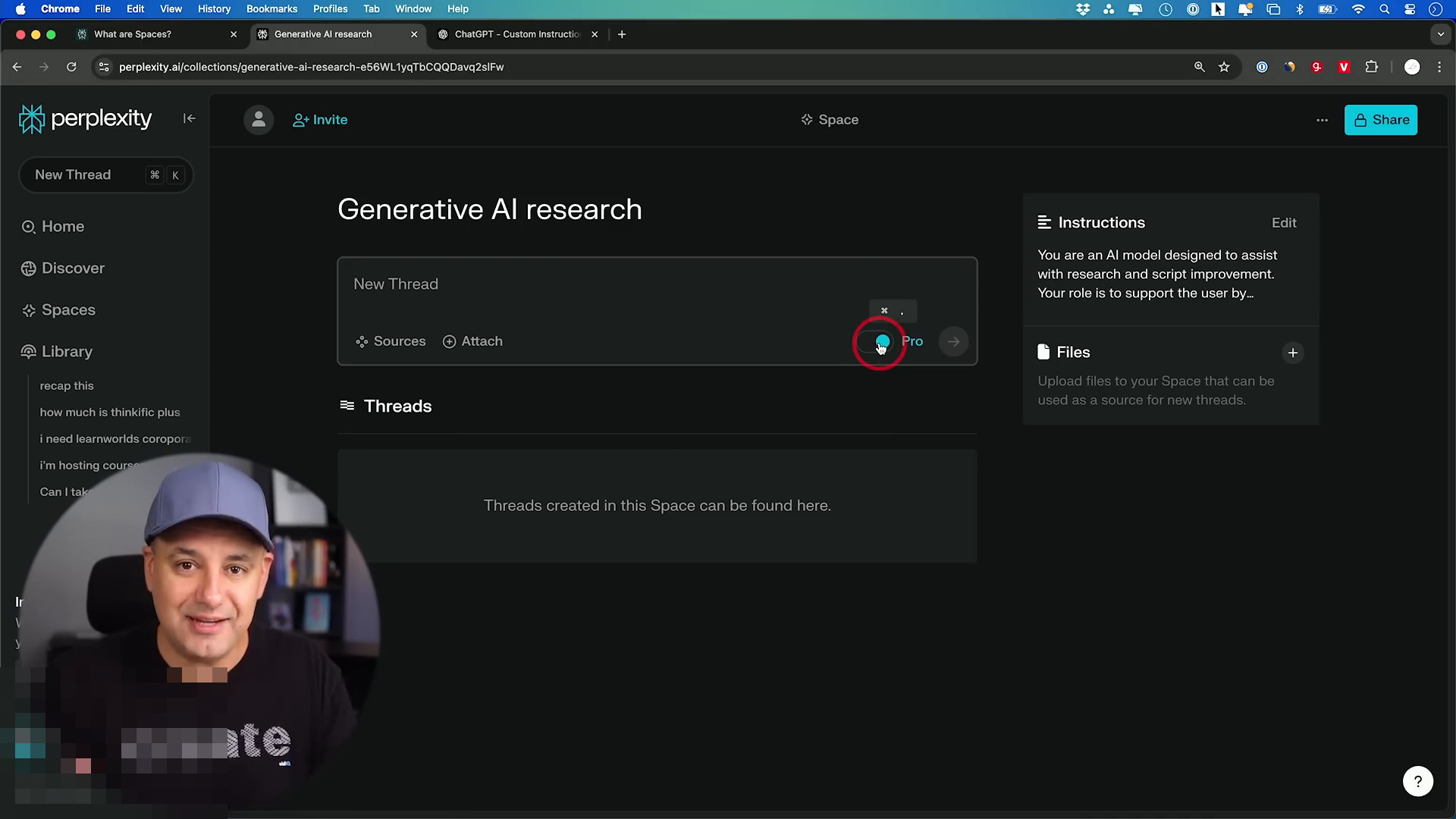
Perplexity Spaces is Perplexity’s persistent-context feature, analogous to Claude Projects but research-flavored. You define a system prompt (research focus area), upload reference documents, and Perplexity grounds every answer in that scoped context plus the live web. Better than Claude Projects for ongoing competitive research where the source set is web-first; weaker than Claude Projects for brand-voice writing where the source set is internal documents.
Google AI Pro (formerly Gemini Advanced, $19.99/mo). Google’s competitor. Strong on Google ecosystem integration (Docs, Drive, YouTube). Behind Claude on writing quality, behind ChatGPT on plugin ecosystem.
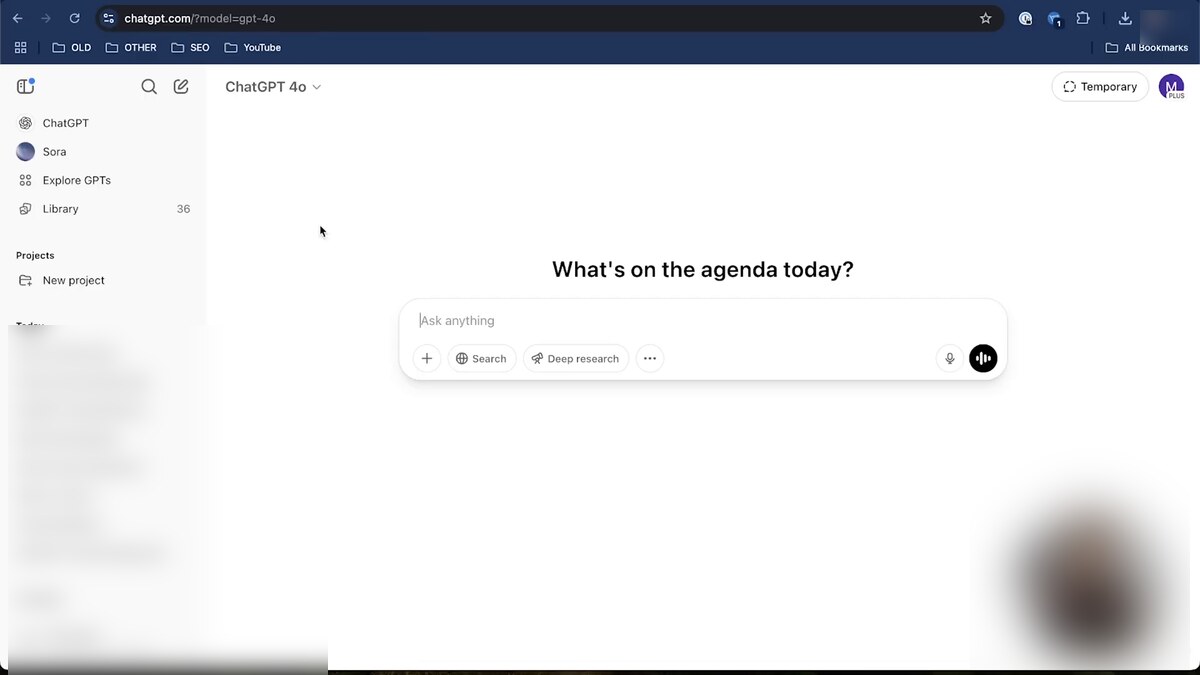
The current ChatGPT 4o home surface. The Projects entry in the left rail and the Search / Deep research chips above the input are where ChatGPT has caught up to Claude in 2026 — multi-thread context organisation and grounded research are no longer Claude-only features. Account avatar and conversation titles in the sidebar blurred for the presenter’s privacy.
General “AI marketing platforms” (mostly skip in 2026)
Jasper ($69/mo for Pro, or $59 on annual; Business is custom-priced). GPT-4 wrapper with marketing prompt library and brand voice training. Worth it only if your team needs structured prompt UX or you have multiple non-technical writers. Most experienced marketers don’t.
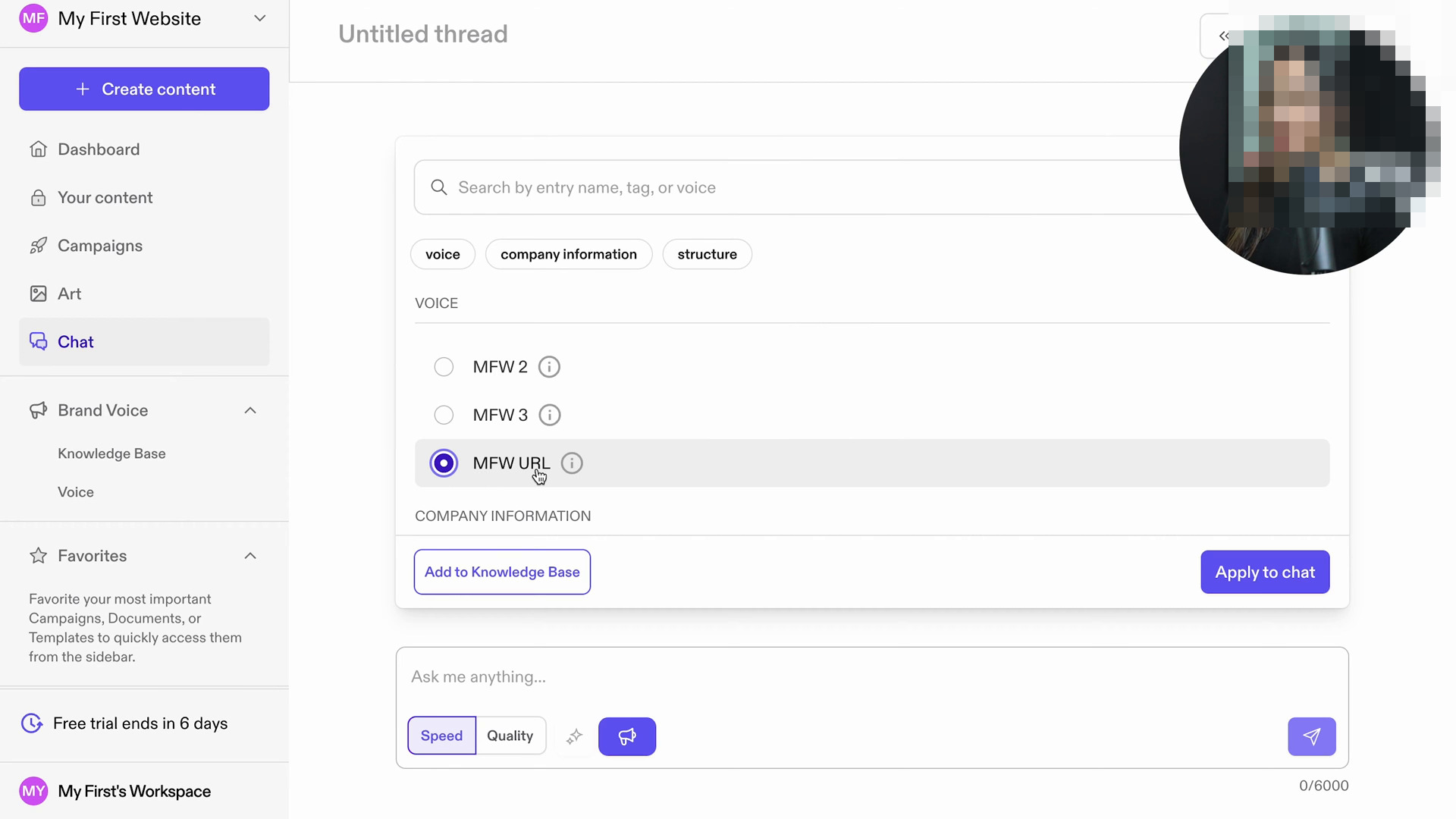
Jasper’s chat-plus-Brand-Voice picker is the modern Jasper writing surface in 2026. Boss Mode (the long-form editor that defined Jasper’s early years) has been deprecated in favor of this chat-first workflow. The Brand Voice dropdown is the feature that justifies Jasper over raw ChatGPT for non-technical marketing teams: voices are saved, named, shareable across the team, and selectable per prompt without re-pasting voice instructions.
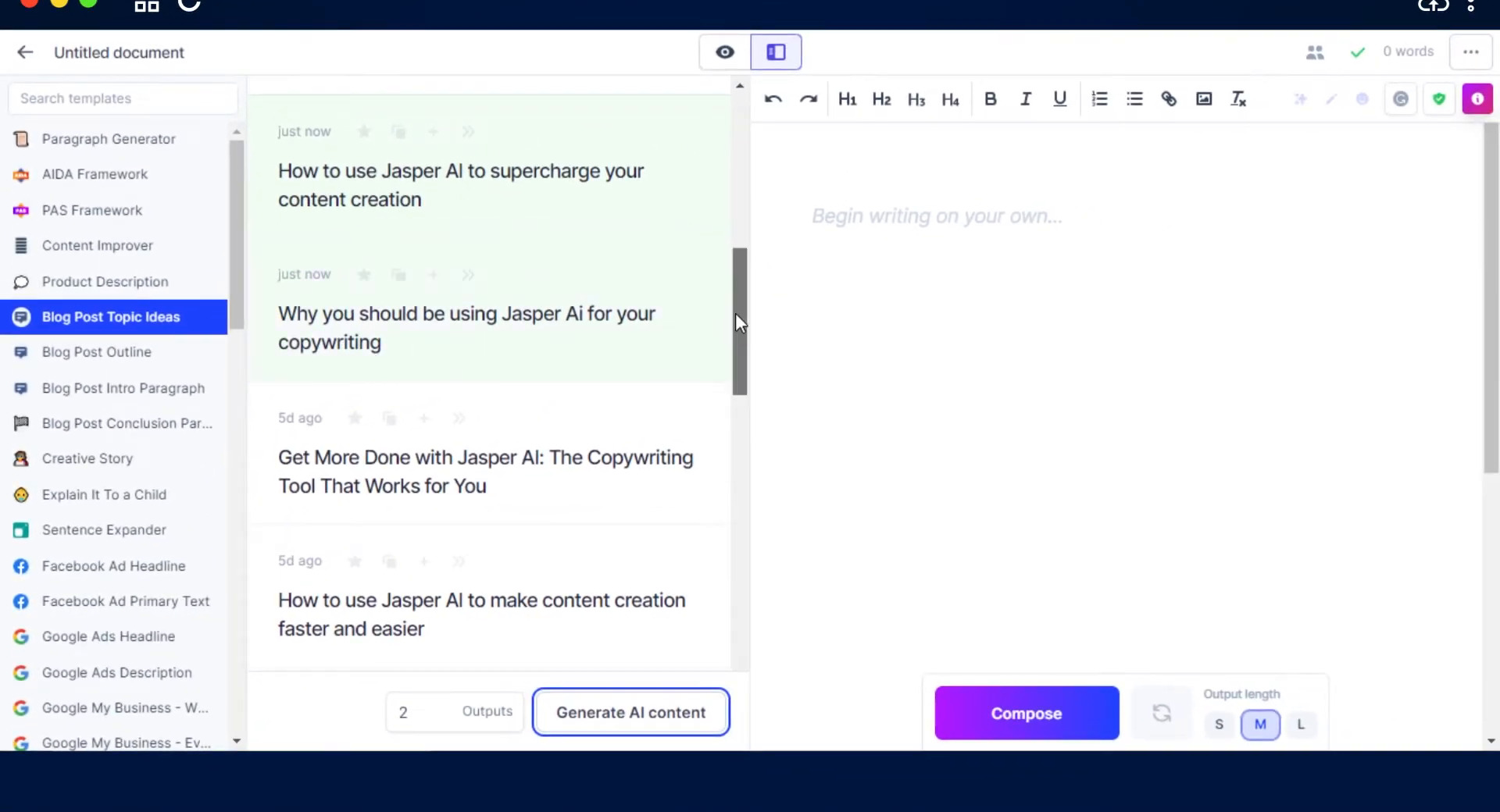
Jasper’s Templates library plus document editor split-view. This is the surface that justifies Jasper’s $69/mo Pro price (billed monthly) for marketing teams that have multiple non-technical writers needing repeatable structured outputs. The same writing can be done in Claude or ChatGPT for less, but the structured-template UX removes the prompt-engineering friction for team members who don’t want to learn how to write good AI prompts.
Copy.ai ($29/mo for the Chat plan, or $24 on annual; Enterprise is custom-priced). Similar positioning. Workflows-based — good for teams that want repeatable templates. Can do the same work in Claude or ChatGPT for less.
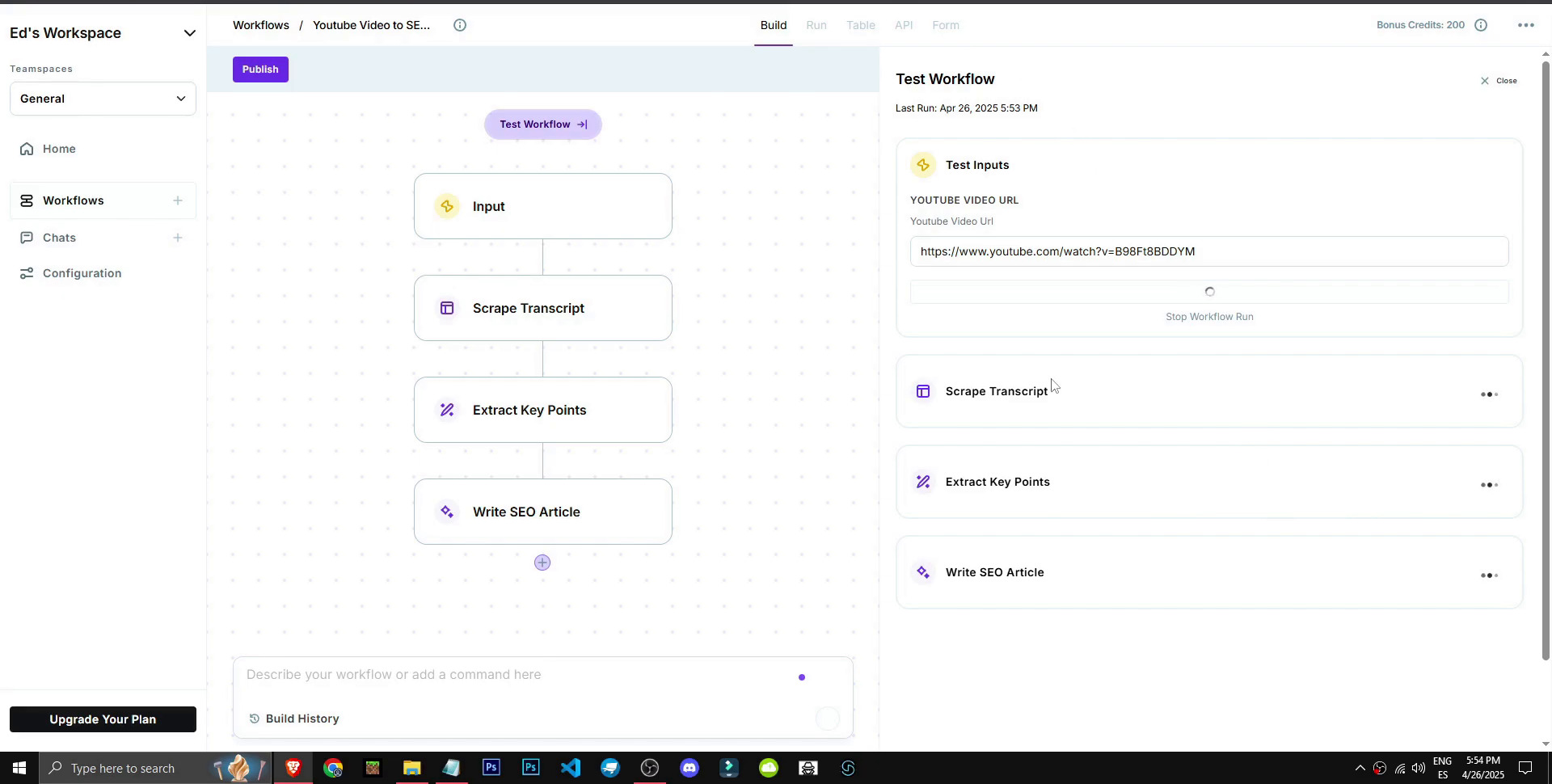
Copy.ai’s Workflow builder is the feature that meaningfully differentiates it from Jasper and from raw ChatGPT. Connect nodes for input, web scraping, LLM steps, and output to build repeatable content pipelines: scrape a competitor’s blog, extract key points, draft an SEO-optimized response in one click. This is real workflow automation, not just prompt templates. Worth paying for if your team runs content production at scale; overkill for solo marketers who can run the same logic manually in Claude or ChatGPT.
Writesonic ($99-499/mo, or $79-399 on annual). No longer the cheap option: it is now sold as a GEO platform for AI search visibility, priced above Jasper and Copy.ai. Skip it for writing.
Content optimization
Surfer ($59-219/mo, or $49-182 on annual). Content scoring editor. Score your draft against top-ranking pages, get suggestions. Essential for content teams writing 4+ articles per month. Surfer vs Frase comparison.
Frase ($49-129/mo, or $39-103 on annual). Brief generator + content optimization. Best for solo writers who need help structuring articles before writing.
Clearscope ($129-399/mo; Enterprise is custom-priced). Enterprise content optimization. Higher quality than Surfer/Frase. Only worth it for large content teams.
Image generation
Midjourney ($10-60/mo). Best aesthetic quality in the category. Discord-based UX is awkward for teams. Strong default for brand-flavored visuals.
Adobe Firefly (included in Creative Cloud). Commercially safe (trained on licensed content). Integrated with Photoshop, Illustrator. The default for brands worried about copyright.
DALL-E 3 (via ChatGPT Plus). Bundled with ChatGPT subscription. Decent quality. Faster iteration than Midjourney.
Stable Diffusion (free, self-hosted). Open source. Most flexibility for technical teams. Steep learning curve.
Audio
ElevenLabs ($6-99/mo). Best voice quality in the category. Voice cloning works. The default for podcasts, voiceover, narration.
Murf ($29-99/mo, or $19-66 on annual). Cleaner UI than ElevenLabs, slightly behind on quality. Better for non-technical users.
Descript ($24-65/mo, or $16-50 on annual). Edit audio by editing the text transcript. Best for podcasters and content creators.
Video
Synthesia ($29-89/mo). AI avatar videos. Talking-head content without filming. Underrated for B2B SaaS demos and onboarding.
HeyGen ($29-149/mo, or $24-119 on annual). Synthesia competitor. Faster avatar generation, smaller library.
Pictory ($29-199/mo, or $25-119 on annual). Auto-converts blog posts to video. Decent for repurposing content into social.
Runway ($15-95/mo). Generative video (motion from prompts or images). Cutting-edge, less practical for everyday marketing yet.
Research and SEO
Perplexity Pro (covered above).
Exa.ai (free tier + paid). Semantic search API. Useful for developers building custom research workflows.
SearchGPT / ChatGPT Search. OpenAI’s competitor to Perplexity. Free with ChatGPT Plus subscription.
Specialty/niche
Notion AI (included in Notion’s Business plan, $24/seat/mo or $20 on annual; no separate add-on). AI inside Notion. Decent for teams already deep in Notion workflows.
Grammarly ($12-30/mo). Editing-focused. Less AI-flavored than the others. Useful for non-native English writers.
What to skip
Most “AI marketing platform” wrappers unless you have a specific reason. Jasper, Copy.ai, Writesonic, Anyword, Rytr — all GPT-4 wrappers selling prompt libraries. The underlying model is the same model you can access directly in Claude or ChatGPT for less money.
AI tools that promise to “automate your entire marketing.” No serious marketing operation is automated end-to-end yet. Tools that promise this oversell.
Standalone “AI SEO tools” that aren’t Surfer/Frase/Clearscope. Most are wrappers with shallow value.
Decision flow: build your AI stack in three minutes
Work through these in order:
- Add Claude OR ChatGPT Plus ($20/mo). Pick based on your dominant task — Claude for writing-heavy, ChatGPT for multimodal-heavy. If you can afford both ($40/mo), most marketers benefit from both.
- Add Perplexity Pro ($20/mo) if research is part of your job.
- Add Surfer or Frase ($49-59/mo) if you publish 4+ articles per month.
- Add image tool (Midjourney/Firefly $10-60/mo) only if you produce visual content regularly.
- Add audio tool (ElevenLabs $6-99/mo) only if you produce audio content regularly.
- Add video tool (Synthesia $29-89/mo) only if you produce talking-head content regularly.
- Skip everything else until you have a specific job no other tool covers.
Most marketers’ final stack is $40-160/month for one or two foundational tools and one specialty tool. The teams I see overspending have 6-8 tools at $60-100/month each, with 3-4 of them barely used.
What to do next
If you’re choosing between Claude and ChatGPT specifically, our Claude vs ChatGPT comparison walks through the head-to-head decision most teams face.
If you’re choosing between Surfer and Frase specifically, our Surfer vs Frase comparison covers the content-optimization decision in depth.
For the broader marketing stack picture (CRM, email, SEO, analytics + AI), our email marketing software guide and SEO tools for small business guide cover the adjacent decisions.
We re-test platforms every 90 days. Last updated: October 14, 2026.
Frequently asked questions
What's the best AI tool for marketing in 2026?
There isn't one — and any list that gives you a single answer is selling you something. The honest answer is by job: For long-form writing, Claude. For research and search-grounded answers, Perplexity. For content optimization, Surfer or Frase. For image generation, Midjourney or Adobe Firefly. For voiceover, ElevenLabs. For video avatars, Synthesia. The 'general AI marketing tool' category (Jasper, Copy.ai, Writesonic) is a wrapper around GPT-4 with marketing prompts; you can do the same work directly in Claude or ChatGPT for less money.
Are Jasper / Copy.ai / Writesonic still worth paying for in 2026?
For most experienced marketers, no. They're GPT-4 wrappers with marketing prompt libraries and team features. The underlying model is the same model you can access in ChatGPT or Claude directly. Three years ago the prompt libraries were worth paying for; today, most marketers know how to prompt directly and the wrappers add cost without adding capability. Worth it only if you have a non-technical team that benefits from the structured prompt UX.
Should my team use ChatGPT or Claude?
Both, depending on the task. Claude is meaningfully better at long-form writing in a consistent voice, ethical reasoning around marketing claims, and processing large documents. ChatGPT is better at multimodal work (image generation, voice mode), code, and the broader plugin ecosystem. Most marketing teams I've worked with land on a 70/30 split — Claude for the writing-heavy work, ChatGPT for the multimodal and tool integration work. Detailed [Claude vs ChatGPT comparison](/posts/claude-vs-chatgpt-for-marketing/).
Is using AI for content going to hurt my SEO?
Not directly. Google's stance is that content quality matters, not how it was produced. AI-generated content that's accurate, well-edited, and useful ranks. AI-generated content that's lazy, generic, and obviously AI-flavored gets penalized — but that penalty applies to bad content regardless of how it was made. The risk isn't 'AI = bad'; the risk is 'lazy use of AI = bad.' Use AI as a drafting tool, not a publishing tool.
How much should I pay for AI tools?
For solo marketers: $20-50/month total ($20 for Claude or ChatGPT Plus, $20-30 for one specialty tool). For small teams: $100-300/month (per-seat ChatGPT Business or Claude Team plus 1-2 specialty tools). For growing companies: $500-1,500/month adding Surfer, ElevenLabs, Synthesia, or specialty tools. Most teams overspend on AI tooling — buying multiple writing wrappers and not using any of them deeply.
What about Perplexity vs Google search for marketing research?
Perplexity is meaningfully better than Google for research-style queries — competitive analysis, market sizing, citation-based answers. Google still wins for navigational queries and finding specific URLs you remember. Most marketers I work with now run Perplexity for the 'research the topic' queries and Google for the 'find the page I'm looking for' queries. Both free tiers are usable; Perplexity Pro at $20/month unlocks GPT-4-class reasoning and is worth it for serious research.
The marketing tech rundown.
One short email a week. Honest takes on the tools we tested, what's worth your money, and what to skip. No fluff.
Free. Unsubscribe anytime.